Research
BioAstLab research focuses on three main areas:
- Adaptive assistive devices: prosthetics, orthoses and robotic platforms designed to respond to user intent and changing environments
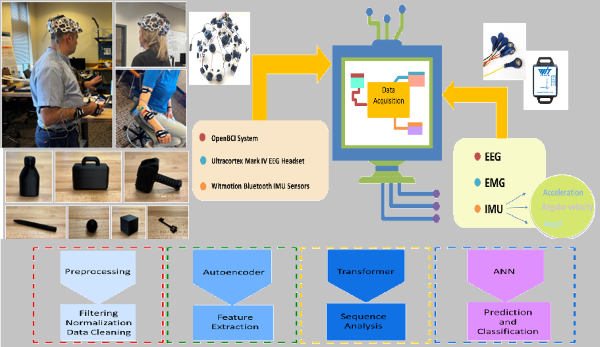
- Biosignal driven systems: EMG, EEG and motion data used to enable intuitive control of assistive tools and wearable devices
- Human–machine collaboration: how people and machines work together in rehabilitation, daily movement and clinical settings
The research team collaborates with clinicians, industry partners and community stakeholders to design devices that eliminate barriers for people with movement-related conditions, including cerebral palsy, essential tremor (ET) and other motor control disorders.
BioAstLab projects also are connected to UTC’s growing entrepreneurial and research ecosystem, giving students opportunities to work with peers and partners across campus and beyond. Additionally, several of the lab’s research projects support industrial robotics applications.
Recent and Ongoing Projects
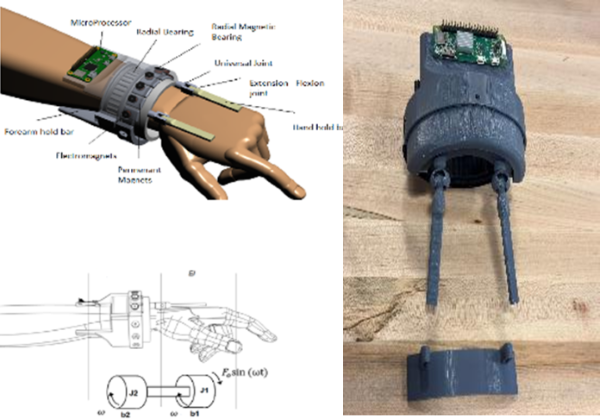
- Smart Essential Tremor Stopper (sETs)
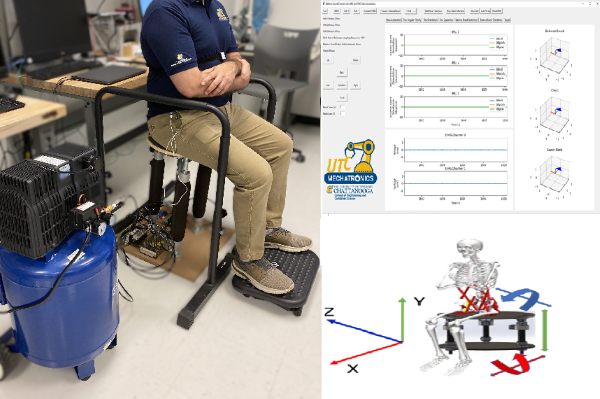
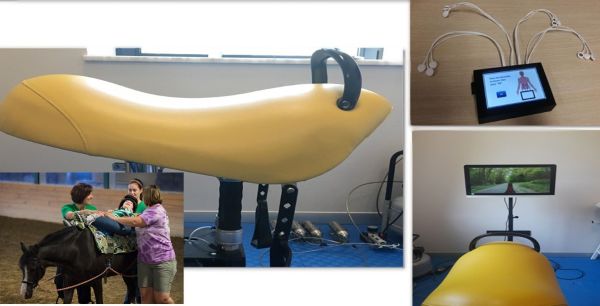
- EMG Supported Pneumatic Actuated Balance Board
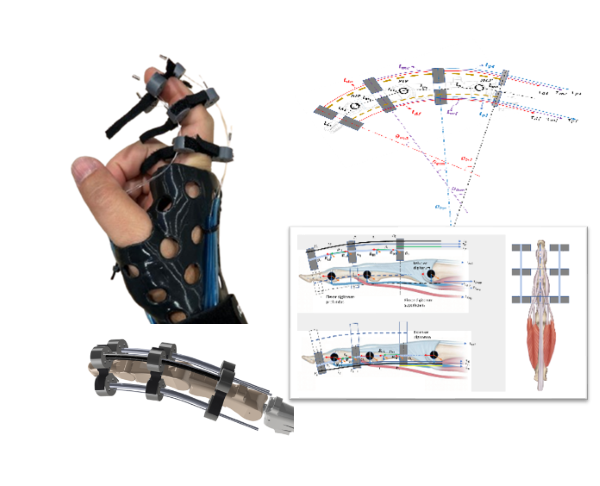
- Continuum Robot for Finger Rehabilitation
- Adaptive Smart Gripper for Collaborative Robots
- Adaptive Insole Design to Prevent Foot Ulcers in Diabetic Neuropathy Patients
- Active and Passive Wrist and Ankle Rehabilitation Device
- EEG Controlled HKFAO for Children with Cerebral Palsy
- Visual rehabilitation software for Mobile Devices
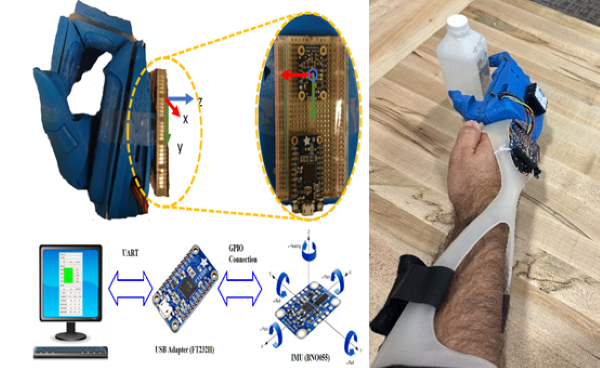
- Prediction of Prosthetics Hand Orientation for Different Grasps Using Machine Learning Algorithm
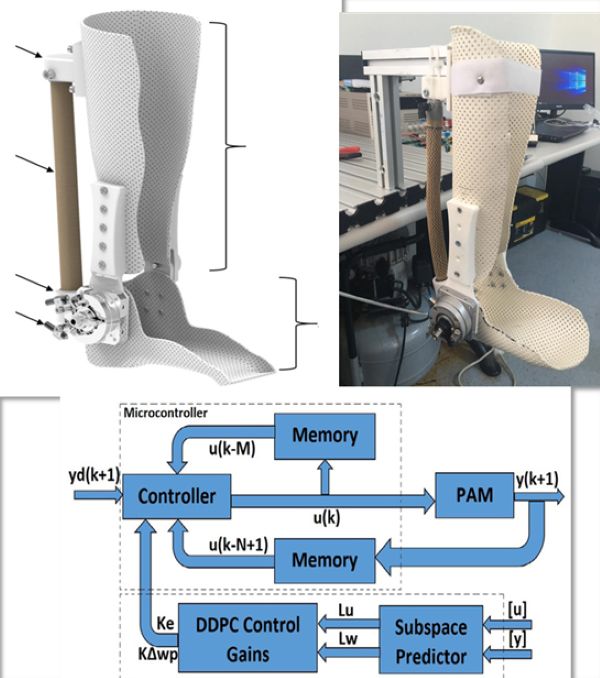
- Design and Data-driven Predictive Control of An Active Ankle-foot Orthosis
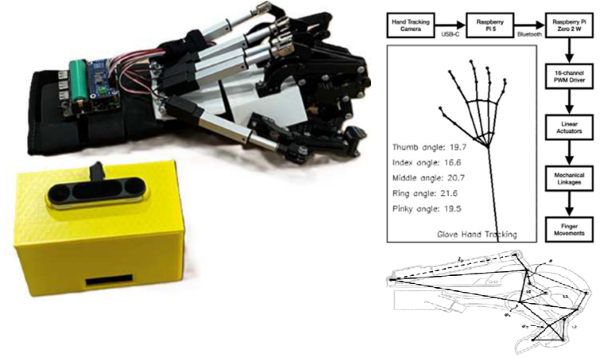
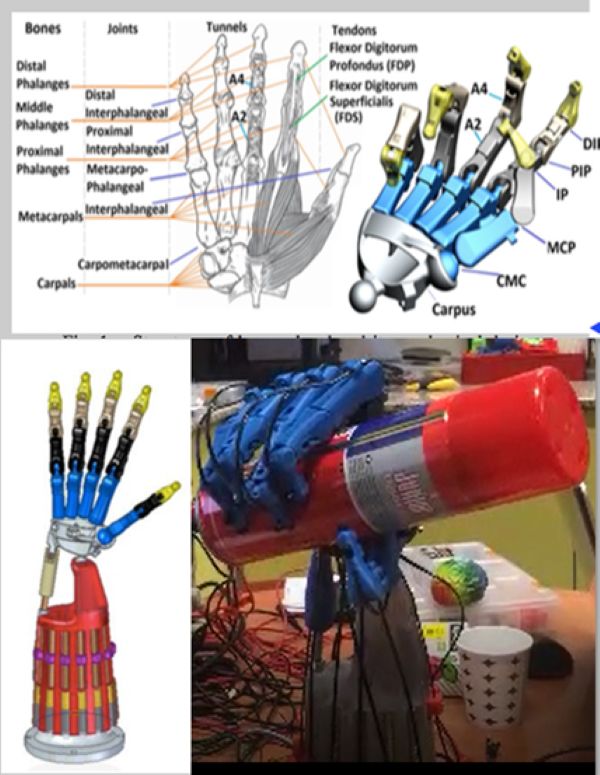
- EMG-controlled Hand Exoskeleton for Rehabilitation
- A Deep Learning Approach for Final Grasping State Determination from Motion Trajectory of A Prosthetic Hand (+Tennessee State University)
- Development of Simulated Hippotherapy System for Cerebral Palsy Children (VR+EMG+Game) (+ Marmara University)
- 24 DOF EMG Controlled Hybrid Actuated Prosthetic Hand (+Bogazici university)
Bio Assist Lab Projects